Direct answer: Yes, cranial osteopathy can help reduce chronic headaches caused by musculoskeletal tension, poor posture, and nervous system overload. It is not a cure, but for the right candidate, it addresses root causes rather than symptoms.
What Is Cranial Osteopathy?
Cranial osteopathy is a hands-on manual therapy that uses light-touch pressure across the skull, neck, and spine to release physical restriction and restore the body’s natural movement rhythms.
It is performed by a registered osteopath with specialist cranial training. The technique involves no cracking, no manipulation, and no force — only precise, subtle contact guided by the practitioner’s assessment.
How Does Cranial Osteopathy Relieve Headaches?
Cranial osteopathy relieves headaches by addressing the structural and muscular tension that creates them, particularly in the suboccipital muscles, cervical spine, and nervous system.
Most chronic headaches are not isolated events. They are downstream effects of accumulated load: a stiff neck, compressed joints, a nervous system that never fully resets. Cranial osteopathy targets these upstream conditions. When the underlying tension is reduced, the frequency and intensity of headache episodes tends to decrease.
Which Types of Headaches Respond Best?
Headache types most likely to respond to cranial osteopathy include:
Tension-type headaches: the most common type; directly tied to cervical and shoulder muscle overload
Posture-related headaches: frequent in desk workers, drivers, and anyone with forward head position
Stress-induced headaches: where the nervous system is the primary driver
Migraines: some patients report reduced episode frequency; evidence varies and individual response differs
It is not effective for headaches caused by structural pathology, infection, or neurological conditions, as these require a medical diagnosis first.
When Should You See a Doctor Instead?
See a doctor before considering cranial osteopathy if any of the following apply:
- A sudden, severe headache with no prior history described as “the worst headache of your life.
- Headaches following head injury or trauma
- Progressive worsening over days without relief
- Neurological symptoms alongside headache: vision changes, facial drooping, slurred speech, numbness, or weakness
- Headaches combined with fever, stiff neck, or confusion
- Unexplained weight loss with recurring headaches
These presentations require medical investigation. Cranial osteopathy is a complementary approach; it is not a diagnostic service and cannot rule out serious pathology.
What Happens During a Cranial Osteopathy Session?
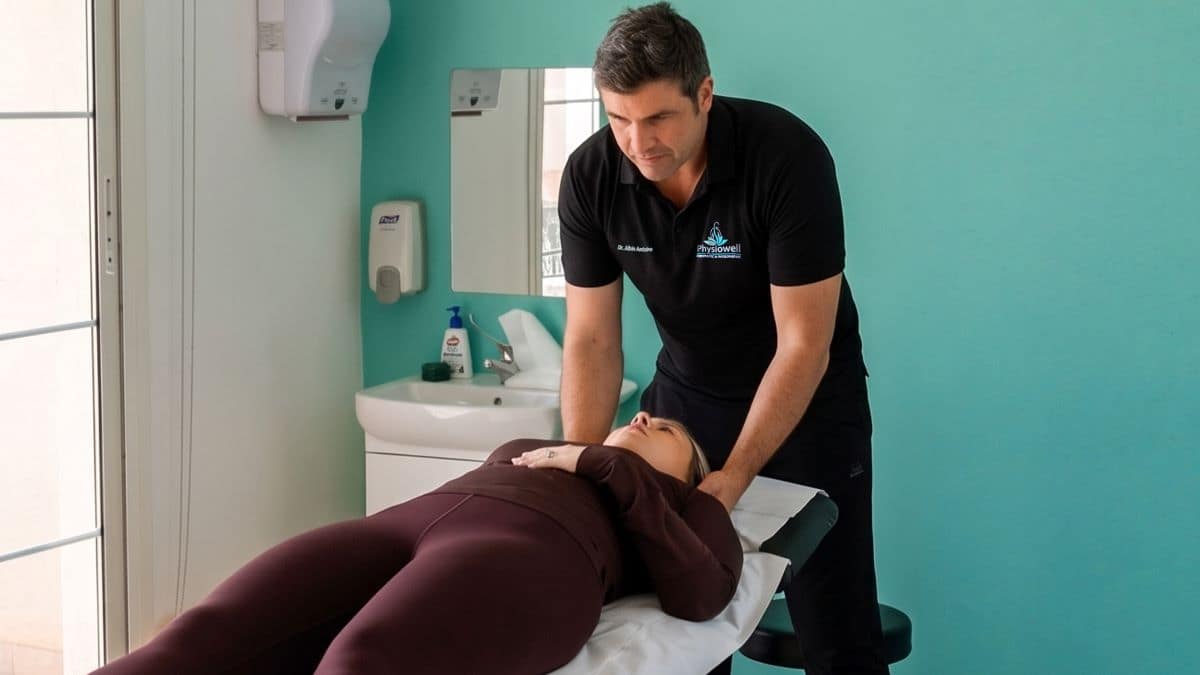
A cranial osteopathy session typically lasts 30–45 minutes. The first session includes a full postural and movement assessment before any hands-on work begins.
The patient remains fully clothed and lies down. The osteopath applies light, sustained contact across the head, neck, and sometimes the thoracic spine. Most patients describe the experience as deeply relaxing; some fall asleep.
Results build progressively. The body responds over a course of sessions, typically three to six, not from a single appointment.
Who Is the Right Candidate for This Treatment?
Cranial osteopathy is most appropriate for people who:
- Experience headaches weekly or more frequently
- Carry chronic tightness in the neck and upper back
- Notice that stress is a consistent trigger
- Have tried standard treatments, pain relief, and physiotherapy without lasting results
- Want to reduce the conditions that create headaches, not just manage episodes when they occur
It is not suitable as a standalone treatment for headaches with a clear medical or neurological cause.
How Is Cranial Osteopathy Different from Regular Osteopathy?
Regular osteopathy typically uses firmer manipulation techniques joint mobilization, soft tissue work, and structural adjustments.
Cranial osteopathy is a subspecialty that focuses specifically on the subtle movement patterns of the cranium, sacrum, and cerebrospinal fluid. It uses significantly lighter contact and is often used when patients cannot tolerate more forceful manual therapy, or when the headache driver is neurological tension rather than a joint restriction.
Both are practiced by registered osteopaths. Cranial osteopathy requires additional specialist training beyond the base qualification.
Does Evidence Support Cranial Osteopathy for Headaches?
The evidence base is growing, but not yet at the level of large randomized controlled trials. Existing clinical studies and practitioner-reported outcomes suggest benefit for tension-type and cervicogenic headaches specifically.
It is recognized as a complementary therapy, not a primary medical treatment. Most patients who see consistent results combine it with lifestyle modifications: posture improvement, stress management, and ergonomic changes.
Is cranial osteopathy the same as craniosacral therapy?
They share origins but are practiced differently. Craniosacral therapy is typically offered by non-osteopathic therapists and has a different scope and regulatory framework. Cranial osteopathy is performed within the regulated osteopathic profession.
Will it work if my headaches are from migraines?
Some migraine patients report reduced frequency with cranial osteopathy, particularly where there is a strong musculoskeletal component. It does not address the neurological causes of migraine directly and should be used alongside, not instead of, neurological care if migraines are severe or frequent.
Is cranial osteopathy painful?
No. The technique uses very light pressure. Most patients find it relaxing. There may be mild tiredness or a brief increase in symptoms after the first one or two sessions as the body adjusts. This is normal and typically resolves within 24 hours.
How many sessions are typically needed?
Most patients start to notice a change within three to six sessions. Chronic, long-standing conditions may require more. A good practitioner will set expectations and review progress after the initial course.
Can children receive cranial osteopathy?
Yes. It is commonly used with infants and children, particularly for tension headaches linked to posture or screen use. The technique is gentle enough for all ages.
How Do You Choose a Qualified Practitioner?
Look for a practitioner registered with their national osteopathic regulatory body who has completed specific postgraduate training in cranial techniques.
The first appointment should always begin with an assessment, a full history, a postural review, and identification of contributing factors before any treatment is applied. A practitioner who moves directly to hands-on work without assessment is a flag.
Where Can You Find Cranial Osteopathy Support in Dubai?
If you are based in Dubai and experience recurring headaches linked to neck tension, posture, or stress, Physiowell offers cranial osteopathy in Dubai through osteopathy-led assessments to help identify whether this approach may be suitable for your case. The focus is not only on symptom relief, but also on understanding the physical and lifestyle factors that may be contributing to repeated headache episodes.
If you experience recurring headaches and want to explore whether cranial osteopathy is appropriate for your situation, a registered osteopath can assess your specific presentation and advise on the most appropriate course of action.